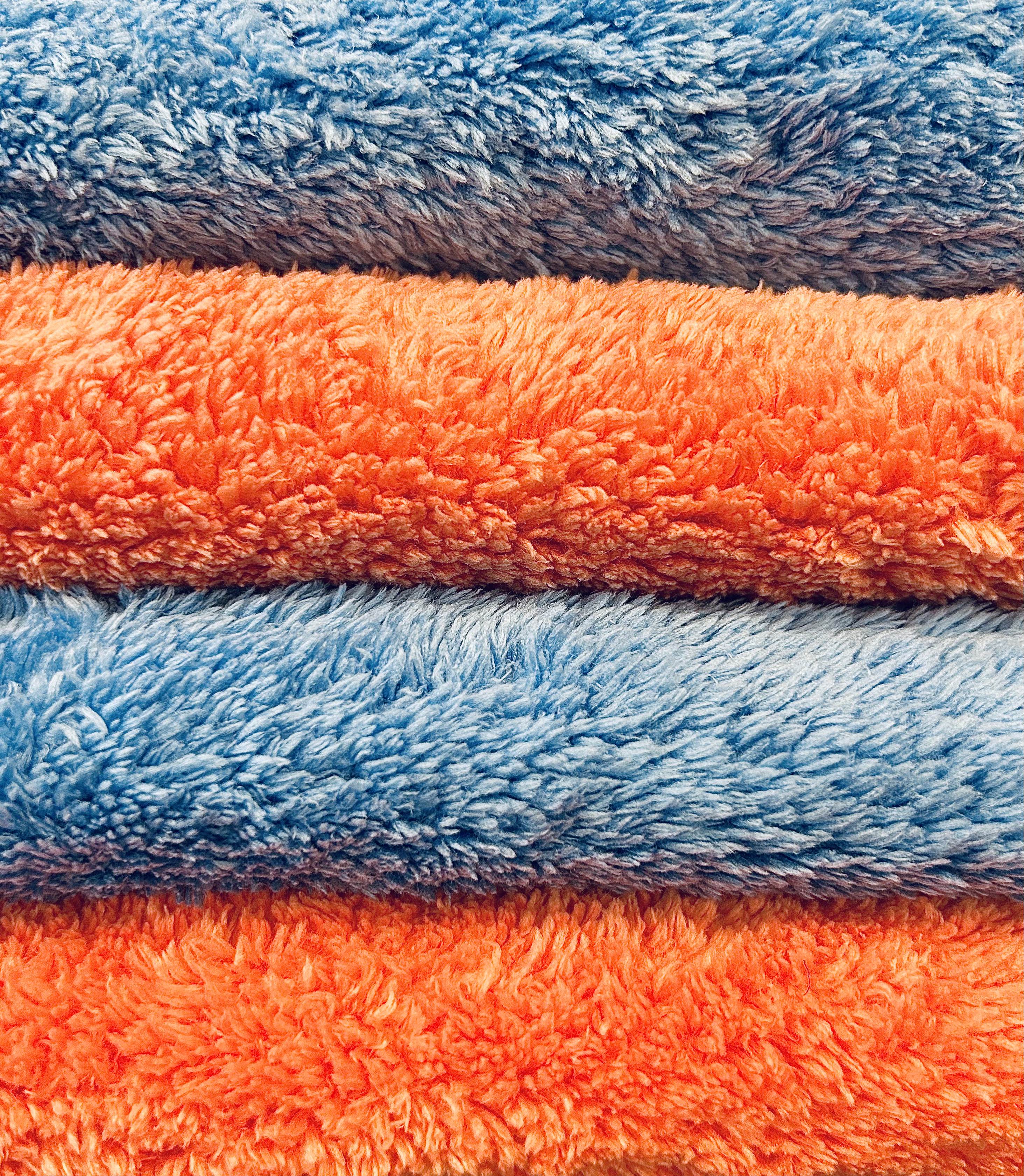
The Science Behind Microfiber: How It Revolutionizes Cleaning
Microfiber has transformed the cleaning industry thanks to its unique composition and structure. Made from a blend of polyester and polyamide fibers, microfiber is extremely fine—about 100 times thinner than a human hair. This exceptional thinness allows each fiber to have a larger surface area, providing more points of contact with dirt and grime. As a result, when used for cleaning, microfiber cloths attract and trap dust, dirt, and bacteria, rather than just pushing them around. Additionally, the positive charge of microfiber fibers allows them to effectively cling to negatively charged contaminants, making them more efficient than traditional cleaning materials.
Moreover, the science behind microfiber continues to innovate with advances in technology. Microfiber cloths can be made with varying densities and textures, catering to specific cleaning tasks—from polishing delicate surfaces to scrubbing tough stains. Not only do they reduce the need for chemical cleaners, promoting a healthier environment, but they are also highly durable and reusable, making them a sustainable choice for both home and commercial cleaning. As the demand for eco-friendly cleaning solutions grows, microfiber stands out as a revolutionary tool that combines efficiency and environmental responsibility.
Counter-Strike is a highly competitive first-person shooter game that pits teams of terrorists against counter-terrorists in various objective-based scenarios. Players engage in tactical gameplay, utilizing teamwork and strategy to outsmart their opponents. For those looking to maintain their gaming gear, Top 10 apple vision pro cleaning kits can help ensure your equipment stays in top condition.
10 Surprising Uses for Microfiber in Your Home
Microfiber is often celebrated for its cleaning prowess, but its applications extend far beyond merely dusting surfaces. One of the surprising uses for microfiber is in the realm of car care. By utilizing microfiber towels, you can effectively clean your car's interior and exterior without scratching the paint or leaving lint behind. Moreover, microfiber can absorb more water than traditional fabrics, making it ideal for drying your vehicle after washing. This material also works wonders in buffing windows and mirrors to a streak-free shine.
Another unexpected use for microfiber is in the realm of personal care. You may not have considered it, but microfiber facial cloths are gaining attention for their skincare benefits. These cloths can gently exfoliate the skin, removing dirt and oil without the need for harsh chemicals. Additionally, microfiber undershirts are becoming increasingly popular for their moisture-wicking properties, helping you stay dry and comfortable throughout the day. With these 10 surprising uses for microfiber, you can enhance both your cleaning routine and your personal care regimen.
Is Microfiber Really Better? Comparing It to Traditional Fabrics
Microfiber has gained immense popularity in recent years, often touted as a superior alternative to traditional fabrics like cotton and polyester. But is it really better? To answer this question, we need to look at the characteristics of microfiber. Made from very fine synthetic fibers, microfiber is known for its exceptional softness, durability, and stain resistance. Unlike traditional fabrics, which can absorb moisture, microfiber repels water, making it easier to clean and maintain. Additionally, the tightly woven structure of microfiber traps dirt and dust, making it a preferred choice for cleaning products and household textiles.
However, it's important to consider the environmental impact and comfort when comparing microfiber to traditional fabrics. While microfiber offers advantages in terms of maintenance and durability, it is made from synthetic materials that can contribute to pollution and waste. On the other hand, natural fabrics like cotton are biodegradable and often more breathable, which enhances comfort, especially in clothing. In the end, the decision between microfiber and traditional fabrics will depend on individual needs and preferences, balancing factors like performance, sustainability, and comfort.