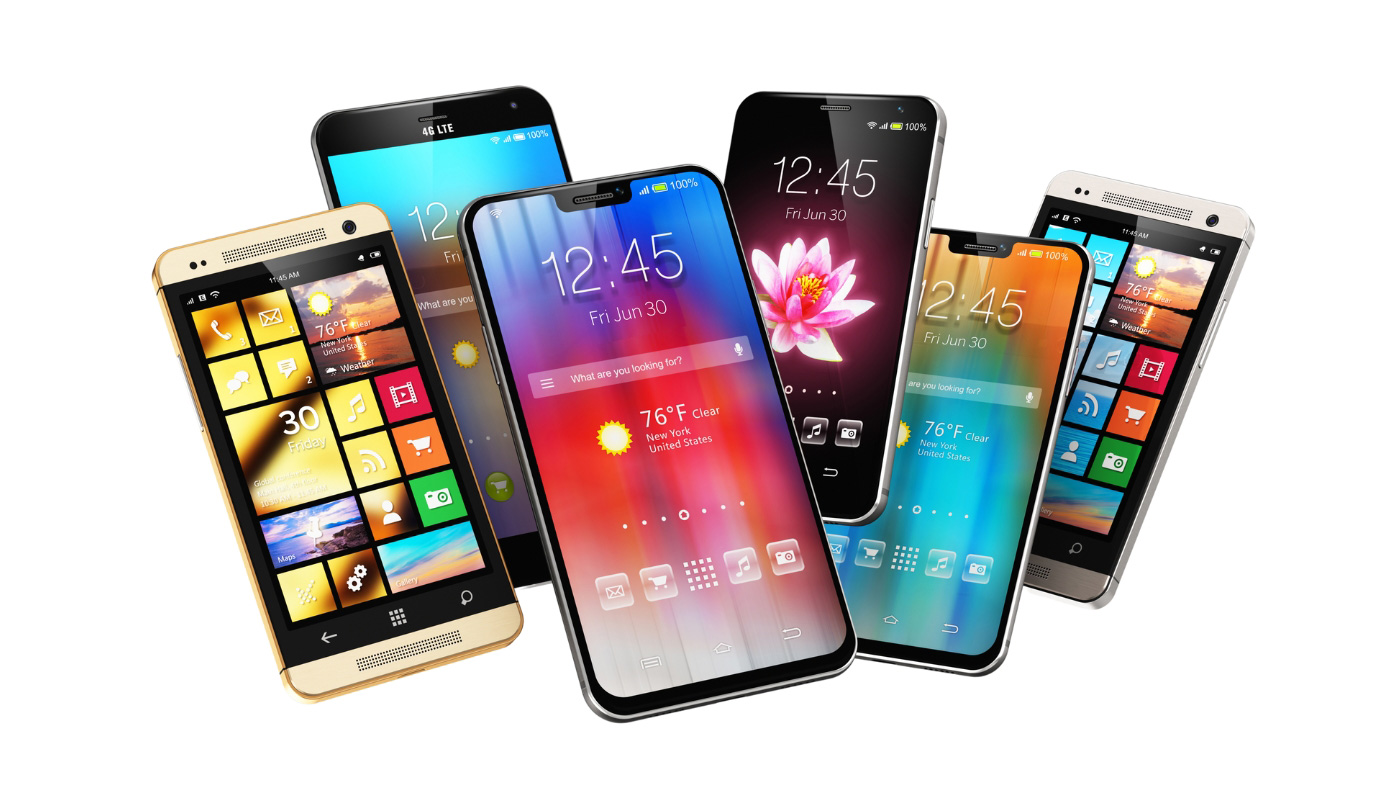
The Evolution of Mobile Devices: From Simple Tools to Essential Lifelines
The evolution of mobile devices has been nothing short of revolutionary, transforming from simple tools into essential lifelines for millions of people around the globe. In the early days, mobile phones were primarily used for voice communication, featuring limited functionalities and bulky designs. As technology advanced, we saw the advent of feature phones, which introduced basic functionalities such as SMS and rudimentary cameras, paving the way for what we now recognize as smartphones. These advancements not only enhanced connectivity but also expanded personal and professional communication, setting the stage for a digital transformation that would change how we interact with the world.
With the introduction of smartphones in the late 2000s, mobile devices evolved into powerful multitasking tools. The integration of advanced operating systems, such as iOS and Android, provided users with access to applications that could manage everything from financial transactions to health monitoring. Today, smartphones have become essential lifelines, empowering individuals to stay connected, informed, and productive, regardless of their location. As we continue to witness innovations like 5G technology and AI integration, it becomes clear that mobile devices are not just tools, but rather indispensable components of our everyday lives, shaping how we communicate, work, and engage with the world around us.
Counter-Strike is a highly popular first-person shooter game that pits teams of terrorists against counter-terrorists in various scenarios. Players can choose from a range of weapons and tactical gear, enhancing their gameplay experience. For those looking to enhance their mobile experience while gaming, check out the Top 10 Samsung Galaxy Ultra Accessories that can take your sessions to the next level. The game is known for its competitive scene, with professional tournaments held around the world.
How Smartphones Changed Communication: Connecting the World at Your Fingertips
The advent of smartphones has revolutionized the way we communicate, making connections more accessible and instantaneous than ever before. With features such as instant messaging, video calls, and social media platforms, smartphones have brought people together across vast distances. In fact, a recent study found that over 70% of communication now occurs through digital means, highlighting how mobile devices have shifted our interactions from traditional face-to-face conversations to a more globalized and flexible approach. Whether it's sending a quick text or sharing a moment on social media, smartphones serve as a bridge that connects individuals in ways previously unimaginable.
Moreover, the rise of smartphones has not only enhanced personal communication but has also transformed business interactions. Professionals are now able to engage with clients and colleagues in real-time, thanks to the prevalence of applications designed for collaboration. The convenience of email and mobile conferencing tools means that teams can coordinate projects and tasks efficiently, without the constraint of physical presence. As a result, the world feels smaller, and businesses are tapping into global markets like never before. This shift underscores the power of smartphones in shaping our communication landscape, making it crucial for individuals and organizations alike to adapt and harness these tools effectively.
Are You Addicted to Your Phone? Understanding the Psychology Behind Mobile Usage
In an era where mobile devices have become ubiquitous, understanding our relationship with them is crucial. Are you addicted to your phone? Many individuals find themselves swiping and scrolling through apps for hours, often losing track of time. Studies show that this compulsive behavior may stem from a variety of psychological factors, including the need for social validation and instant gratification. The relentless notifications from social media platforms and messaging apps create a sense of FOMO (Fear of Missing Out), which can keep users glued to their screens. As this dependency grows, it can lead to detrimental effects on mental health, relationships, and productivity.
Moreover, the psychology behind mobile usage reveals that our brains are wired to respond to these digital stimuli. Each time we check our phones, we experience a small release of dopamine, the 'feel-good' neurotransmitter associated with reward and pleasure. This addiction to mobile devices can be compared to other behavioral addictions, where the desire for just one more scroll or one more like creates a cycle of dependency. Understanding this cycle is essential for those seeking to regain control over their digital habits. By recognizing the signs of addiction and the emotional triggers that compel us to check our phones, we can take steps towards achieving a healthier balance in our digital lives.