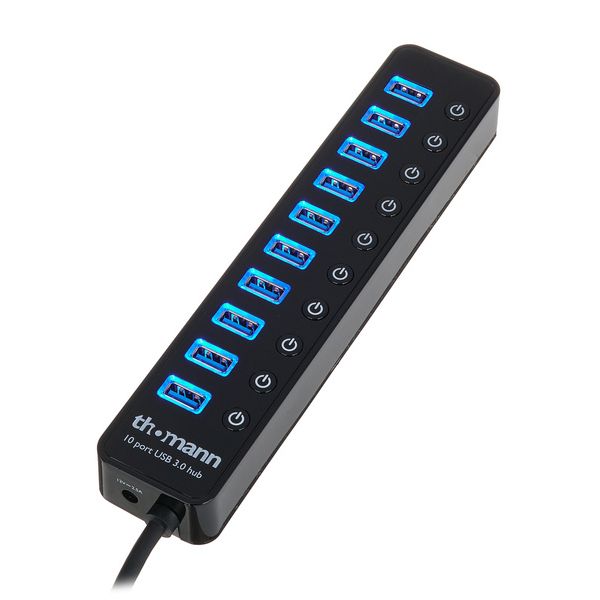
Choosing the Right USB Hub: What You Need to Know
When it comes to choosing the right USB hub, it's essential to consider several factors to ensure it meets your needs. First, evaluate the number of ports you require, as USB hubs come in various configurations, including 4-port, 7-port, and even 10-port models. Additionally, think about the types of devices you will be connecting—whether they are high-speed devices like external hard drives or lower-bandwidth peripherals like keyboards and mice. Selecting a hub with a mix of USB 2.0 and USB 3.0 ports can provide flexibility and optimal performance.
Another important consideration when choosing a USB hub is whether you need a powered or unpowered hub. Powered hubs come with an external power source, allowing them to support multiple high-power devices simultaneously, making them ideal for setups with several demanding peripherals. In contrast, unpowered hubs rely on the power from your computer and may limit the number of devices you can connect without experiencing performance issues. Carefully assess your needs, and you'll find the perfect USB hub to enhance your workspace.
Counter-Strike is a highly competitive first-person shooter that has gained immense popularity since its release. Players engage in team-based gameplay where they assume the roles of either terrorists or counter-terrorists, striving to complete objectives or eliminate the opposing team. Whether you’re a casual player or a seasoned pro, having the right setup can enhance your gaming experience. Check out the Top 10 macbook accessories that can help you perform at your best.
The Benefits of Using a USB Hub for Your Devices
In today's digital age, as we continually increase the number of devices we use daily, the need for effective connectivity solutions has never been greater. One of the most significant advantages of using a USB hub is its ability to expand the number of available ports for your devices. Whether you're connecting multiple peripherals like keyboards, mice, and printers, or charging several gadgets simultaneously, a USB hub can make your workspace more organized and efficient. Additionally, many modern USB hubs offer features such as high-speed data transfer and fast-charging capabilities, enhancing user experience while minimizing downtime.
Moreover, a USB hub can greatly enhance the usability of your workstation. By consolidating multiple connections into a single unit, you can reduce cable clutter and improve ergonomics. This is especially beneficial for those working with laptops that often come with limited ports. A well-placed USB hub allows easy access to your devices without the hassle of reaching around your computer’s back. In essence, by incorporating a USB hub into your setup, you not only gain convenience but also ensure that all of your devices can work together seamlessly, making your life easier and more productive.
How to Troubleshoot Common USB Hub Issues
When using a USB hub, many users encounter various issues that can disrupt their workflow. If your USB hub is not recognizing devices, starts behaving erratically, or applications fail to communicate properly with connected peripherals, it's essential to conduct a systematic troubleshoot. Start by checking the hub's power source; most active hubs require an external power supply. Ensure the hub is securely plugged into a wall outlet and that the power switch is turned on. If the issue persists, try plugging the hub into a different USB port on your computer or test it with multiple devices to determine if the problem lies with a specific connection.
In addition to power supply checks, troubleshooting might involve examining the cable connections. Inspect both the hub's USB cable and the cables of the devices connected to it for any signs of damage or wear. Sometimes, simply switching out a faulty cable can resolve connection issues. Furthermore, ensure that your operating system is up to date, as outdated drivers can lead to compatibility problems with USB hubs. You can manage this by accessing your device manager and looking for firmware updates related to USB controllers. If all else fails, consult the manufacturer's manual for advanced troubleshooting steps specific to your USB hub model.