Understanding the Line Between Creation and Curation in the Digital Age
In the digital age, the concepts of creation and curation have become increasingly important for content producers and consumers alike. Creation refers to the act of generating original content, whether that's writing articles, producing videos, or designing artwork. On the other hand, curation involves aggregating, organizing, and presenting existing content in a way that provides value to a specific audience. Understanding the line between these two processes is crucial, as each approach plays a distinct role in the digital ecosystem. While original content drives engagement and fosters innovation, effective curation can highlight relevant information and bring new insights to users.
To navigate this complex landscape, it is essential to recognize the benefits of both creation and curation. For instance, creation allows individuals and brands to establish authority and showcase their unique voice, while curation can help individuals save time by filtering out noise and directing audiences to high-quality resources. To strike the right balance, consider the following strategies:
- Identify your niche and audience needs.
- Regularly produce original content that reflects your expertise.
- Engage in thoughtful curation by sharing valuable resources and insights from other creators.
Counter Strike is a popular multiplayer first-person shooter game that has captivated players around the world since its release. Its competitive nature and tactical gameplay have made it a staple in the esports community. If you're looking to enhance your gaming experience, check out the Top 10 iPhone video accessories to elevate your performance and stream your gameplay seamlessly.
Content Creation vs. Content Curation: Which is Right for Your Brand?
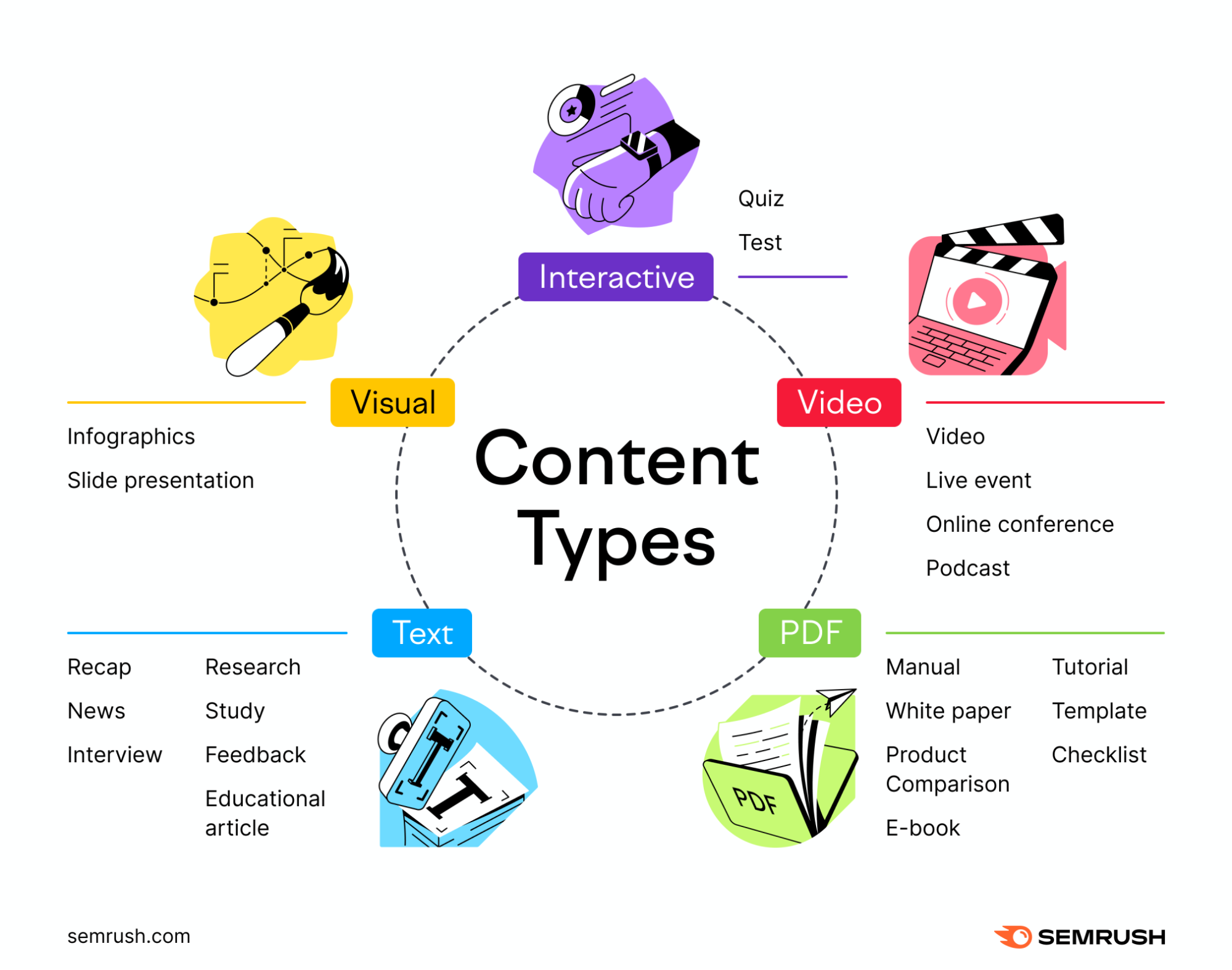
When it comes to building a successful online presence, understanding the difference between content creation and content curation is essential for your brand. Content creation involves producing original material tailored specifically for your audience. This can take the form of blog posts, videos, podcasts, and infographics, all crafted to reflect your brand's voice and expertise. In contrast, content curation refers to the process of gathering and sharing existing content from various sources that align with your brand’s focus. By presenting valuable content from other creators, you can position your brand as a thought leader while saving time and resources.
Choosing between content creation and content curation ultimately depends on your brand's goals and resources. If you're looking to establish a unique identity and engage directly with your audience, prioritizing content creation is vital. However, if you have limited resources or time constraints, content curation can be an effective strategy to maintain your online presence and foster community engagement. In many cases, a balanced approach that combines both methods can yield the best results, allowing you to enhance your SEO efforts while providing diverse content for your audience.
Is Content Curation Undermining Originality in Online Media?
Is content curation a double-edged sword in the realm of online media? On one hand, it offers a streamlined way to gather, organize, and share valuable information from various sources, thereby saving time for both content creators and consumers. However, as the practice proliferates, there is a growing concern that it may inadvertently undermine the originality that is crucial for a vibrant digital landscape. When creators rely heavily on curated content rather than generating unique perspectives or insights, the risk of homogenization looms large. This can lead to a stagnation of ideas, where the internet becomes flooded with similar viewpoints instead of fostering creative discourse.
Furthermore, the challenge lies in striking a balance between content curation and originality. While it's beneficial to reference and share others' works, it is essential for creators to infuse their own voice and analysis into the mix. According to some studies, overly curated content can dilute a brand's identity, as audiences may struggle to distinguish between unique contributions and aggregated content. To combat this, content creators should focus on adding value through original insights, personal anecdotes, or expert opinions, ensuring that their work stands out in a sea of repetitive information. Ultimately, the landscape of online media thrives when originality is prioritized alongside the responsible use of curation.