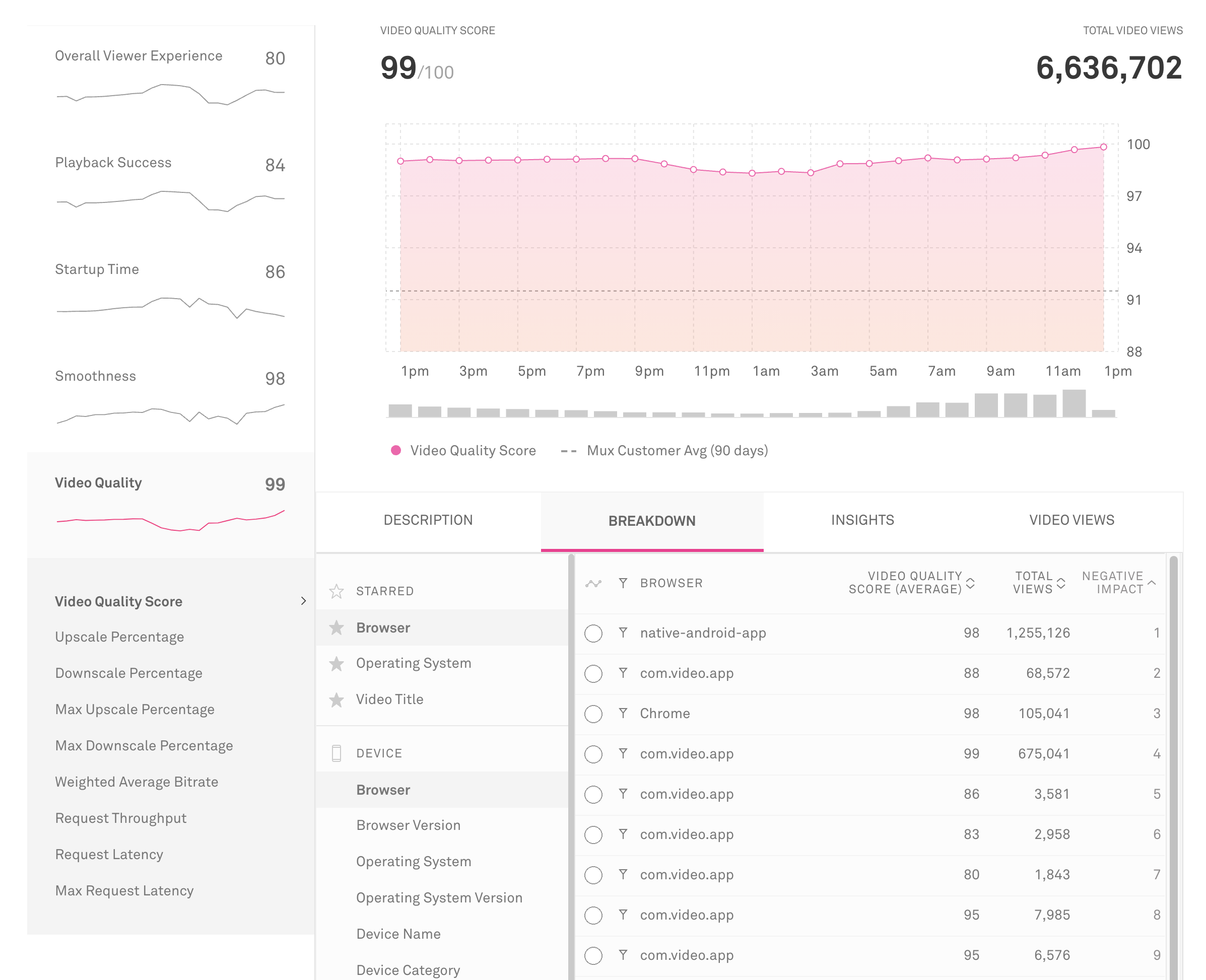
Exploring the Impact of Resolution on Video Quality: What You Need to Know
When it comes to video quality, resolution plays a crucial role. Video resolution refers to the number of pixels that make up a video, with common formats including 720p, 1080p, 4K, and even 8K. Higher resolutions provide significantly more detail and clarity, making them ideal for larger screens where pixelation becomes noticeable. In simpler terms, the higher the resolution, the sharper and more vibrant the video appears. This is particularly important for content creators and brands aiming to engage their audience with captivating visuals that enhance storytelling.
It's important to note that resolution isn't the only factor affecting video quality. Other elements such as bitrate, frame rate, and color depth contribute to the overall viewing experience. For instance, a high-resolution video with a low bitrate may still appear blurry or lacking in detail. Additionally, adjusting the resolution for various devices is crucial; for example, 4K content may not be suitable for mobile users who prefer faster loading times. Understanding these nuances allows you to optimize your content for different platforms and audiences, ensuring that your message is delivered effectively.
Counter-Strike is a highly popular first-person shooter game that has captivated millions of gamers worldwide. Renowned for its competitive gameplay, it pits teams of terrorists against counter-terrorists in a race to complete objectives. Players can enhance their gaming experience with various tools, just as vloggers can elevate their content creation through Top 10 Mobile Vlogging Accessories that improve video quality and ease of use.
How Bitrate Affects Your Viewing Experience: A Deep Dive into Video Compression
When it comes to streaming video content, bitrate plays a crucial role in determining the quality of your viewing experience. Bitrate, measured in kilobits per second (kbps), refers to the amount of data processed during a given time. Higher bitrates generally equate to better video quality, as more data is transmitted, resulting in clearer images and richer audio. However, it's important to note that a high bitrate also requires a faster internet connection. If your connection cannot support the required bandwidth, you may experience buffering, pixelation, or freezing, which can severely detract from your overall enjoyment of the video.
Video compression techniques are essential for managing bitrate and ensuring an optimal viewing experience across varying internet speeds. These techniques remove redundant data and optimize the quality of the video while keeping the file size manageable. Two common compression formats are H.264 and HEVC (H.265), each offering different levels of efficiency in maintaining video quality at lower bitrates. While H.265 can provide a better quality-to-bitrate ratio, not all devices support it, which can make compatibility an issue. Ultimately, understanding how bitrate affects your streaming experience helps you make informed choices regarding video quality settings and ensures that you enjoy the best possible viewing experience.
Can You Really Tell the Difference? Understanding Video Quality in the Age of Streaming
In the age of streaming, video quality has become a hot topic among viewers and content creators alike. With various streaming platforms offering content in multiple resolutions such as 480p, 720p, 1080p, and even 4K, you might wonder if you can really tell the difference between these options. The truth is, the ability to discern video quality often depends on several factors, including screen size, viewing distance, and the viewer's individual eyesight. For example, while a standard HD (1080p) video may look stunning on a small smartphone screen, the same resolution may not impress as much on a large 65-inch television. Therefore, understanding how these elements interact is key to truly appreciating the differences in video quality.
Moreover, technology plays a significant role in video quality perception. Modern compression techniques and streaming technologies can affect the clarity and detail of the video you receive. Among the most notable advancements are High Dynamic Range (HDR) and improved bitrate allocation, which can enhance the viewing experience, especially in darker scenes. As we dive deeper into the realm of streaming, it's essential to consider not just the resolution but also how streaming algorithms optimize video playback under varying internet speeds. All these elements contribute to the overall experience, making it increasingly important for consumers to educate themselves on what they are watching and how various factors come into play when determining video quality.