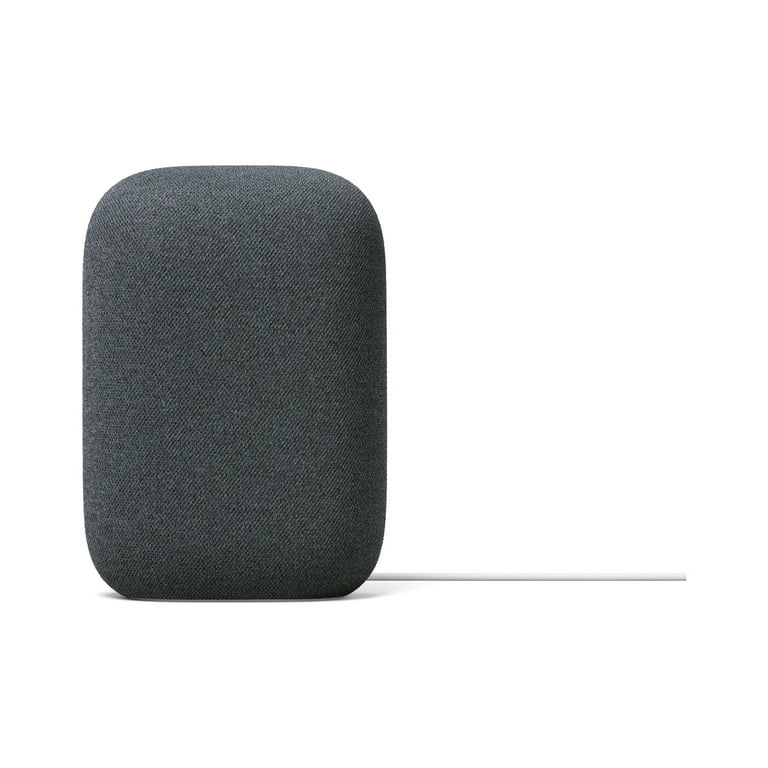
10 Surprising Features of Smart Speakers You Didn't Know About
Smart speakers have become a ubiquitous presence in homes, but many users are unaware of their surprising features that go beyond basic voice commands. For instance, did you know that some smart speakers can function as a hub for smart home devices? This means you can control your lights, thermostat, and security system all from a single device, making home automation seamless and efficient. Additionally, many smart speakers are equipped with advanced audio technology that adapts to your room's acoustics, providing an optimized listening experience for music, podcasts, and audiobooks.
Another surprising feature of smart speakers is their ability to recognize individual voices. This personalization allows the speaker to deliver tailored recommendations based on the unique preferences of each user. Moreover, some smart speakers integrate with popular streaming services to provide high-quality audio and curated playlists tailored to your mood or activity. Lastly, these devices often come with built-in privacy features, such as mute buttons or voice command activation, ensuring that users have control over their data and what information is shared.
Counter-Strike is a highly acclaimed multiplayer first-person shooter that has become a cornerstone of competitive gaming. Players compete in teams, taking on the roles of terrorists and counter-terrorists to complete objectives or eliminate each other. For gamers looking to enhance their experience, check out the Top 10 homepod mini accessories that can complement their gaming setup.
How Smart Speakers Are Transforming Everyday Life
Smart speakers have rapidly become an integral part of modern living, transforming the way we interact with technology and our environment. With the ability to respond to voice commands, these devices create a seamless connection between users and their digital lives. From creating reminders and managing schedules to controlling smart home devices, smart speakers simplify daily tasks, allowing us to focus on what truly matters. Imagine walking into your home, and with just your voice, you can adjust the lights, set the temperature, and play your favorite music—all without lifting a finger.
Moreover, smart speakers are enhancing the way we consume information and entertainment. With built-in access to streaming services, podcasts, and audiobooks, these devices serve as our personal information hubs. As people increasingly seek hands-free convenience, the popularity of smart speakers continues to rise, with more households adopting this technology each year. According to studies, smart speaker usage has led to notable changes in consumer behavior, such as increased online shopping and a greater reliance on voice searches, further emphasizing their role in shaping our everyday experiences.
Are Smart Speakers Really That Smart? Debunking Common Myths
Smart speakers have become a staple in many households, touted for their ability to play music, answer questions, and control smart home devices. However, the question remains: Are smart speakers really that smart? One common myth is that these devices can understand every command perfectly and engage in complex conversations. In reality, while they are equipped with advanced voice recognition technology, their functionality is limited by software algorithms and the context of the user’s commands. Misunderstandings and misinterpretations occur frequently, especially when users deliver vague or ambiguous requests.
Another prevalent myth is the assumption that smart speakers are constantly listening and recording every word. While it is true that they remain in a low-power listening mode, only activating when prompted by a wake word, they do not store conversations unless triggered to do so. This misconception raises valid concerns about privacy, but manufacturers are continuously working on improving transparency regarding data usage. Understanding these limitations is key to using smart speakers effectively, as users should recognize that, despite their capabilities, these devices are not infallible and should be approached with realistic expectations.